Renting usually means living with a real constraint: you can’t drill holes, mount permanent shelving, or make changes that might cost you your deposit. Adhesive hooks solve a surprising amount of small-space organization without touching a single wall stud. Here’s where they make the biggest difference.
This post may contain affiliate links.
Why Adhesive Hooks Are a Renter’s Best Tool
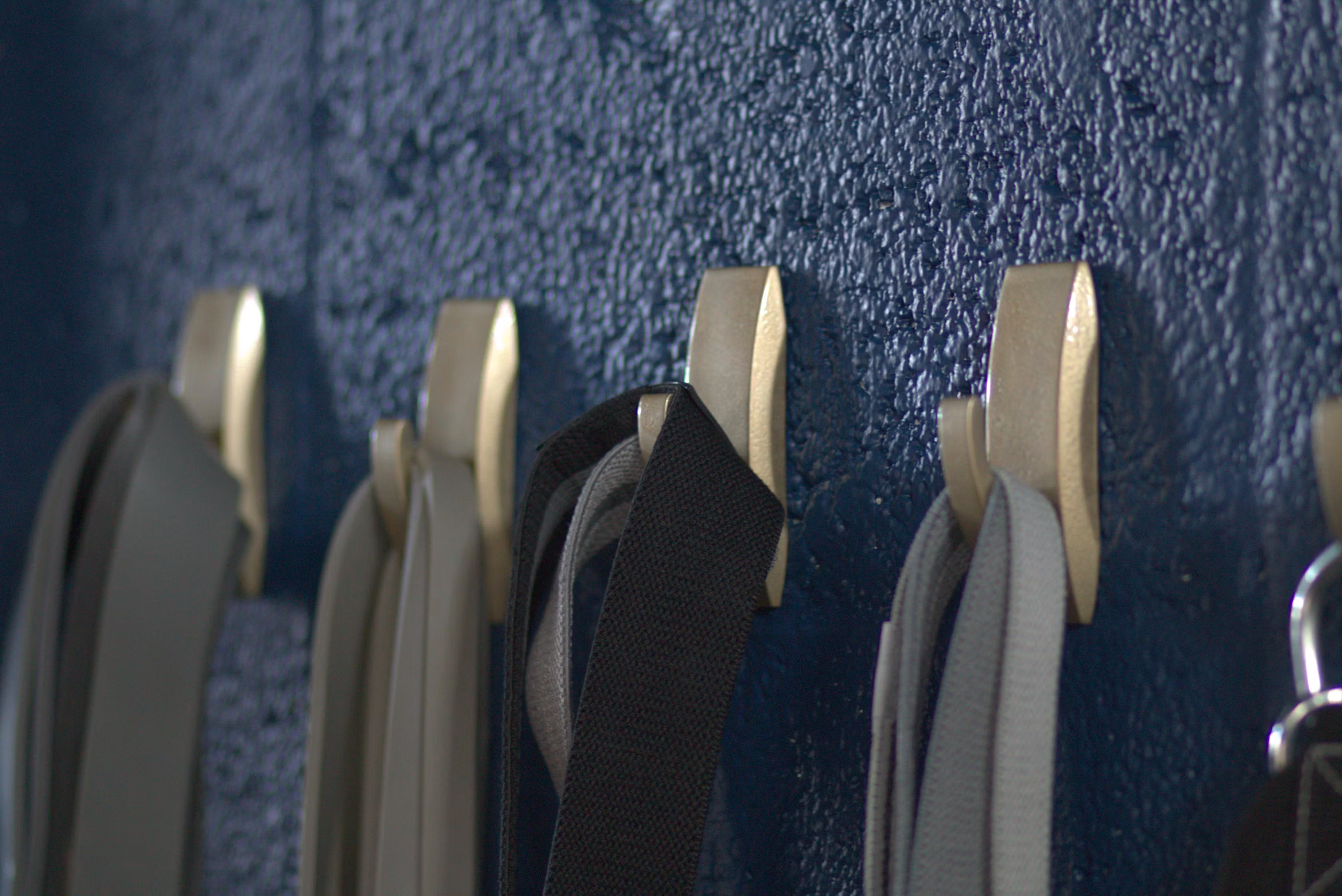
Unlike drilled hardware, adhesive hooks hold securely on smooth surfaces (painted walls, finished wood, tile, glass, metal) and come off cleanly without leaving holes or marks — which matters for both your deposit and your ability to rearrange as your needs change. The tradeoff is weight capacity: they’re excellent for light-to-moderate loads, but they’re not a substitute for anchored hardware when it comes to genuinely heavy items.
Kitchen: Hang What Usually Clutters a Drawer
A row of utility hooks near the stove or counter can hold measuring cups, oven mitts, or small utensils — items that otherwise take up drawer space you might not have much of in a small kitchen. Hooks rated for a few pounds handle most kitchen tools without issue.
Closet: Extra Hanging Space Without Modifying the Rod
Inside a closet, hooks mounted on the side walls (not just the back) create extra hanging spots for bags, scarves, or belts — space that’s often completely unused in a standard closet. This is a simple way to add functional storage without altering the closet’s actual structure, which matters if you’re not allowed to install permanent organizers.
Entryway and Bathroom: Towels, Robes, and Bags
Bathrooms and entryways are two of the best spots for hooks specifically because towel bars and coat racks are exactly the kind of fixture landlords are strict about modifying. A couple of well-placed large utility hooks (rated for higher weight, typically 5+ lbs) can hold towels, robes, bags, or coats without needing a mounted rack at all.
Home Office: Cord and Cable Management
Hooks aren’t just for hanging physical items — smaller adhesive hooks or clips can route cables along a desk edge or wall, keeping cords contained without drilling into furniture or walls. This pairs well with the cable management approaches from our small office organization guide.
Getting the Most Out of Adhesive Hooks
1. Match the hook to the actual weight. Adhesive hooks are rated by weight capacity, and using a light-duty hook for something heavier is the most common reason they fail. Check the rated capacity before hanging anything of real weight.
2. Prep the surface properly. Adhesive hooks bond best to clean, smooth surfaces — wiping the spot down (rubbing alcohol works well) before applying removes oils or dust that weaken the bond.
3. Give new hooks time to set. Most adhesive hooks need to sit for a period (often a few hours) after application before you hang anything on them — hanging something immediately is a common cause of hooks falling.
4. Remove them the right way. Most damage-free adhesive hooks are designed to stretch downward and release cleanly, rather than being pulled straight off the wall — check the specific product’s removal instructions to avoid damaging the surface.
Frequently Asked Questions
Will adhesive hooks damage paint when removed? Properly designed damage-free hooks (Command-style) are engineered to release cleanly when removed correctly (typically by stretching the tab downward), but always follow the specific product’s removal instructions, and avoid removing them too soon after applying paint (most instructions recommend waiting about a week after painting before applying hooks at all).
How much weight can adhesive hooks actually hold? This varies significantly by product, ranging from under a pound for small decorative hooks up to 5 lbs or more for large utility hooks — always check the specific rated capacity rather than assuming.
Do adhesive hooks work on textured or unpainted walls? They generally bond best to smooth, finished surfaces — heavily textured walls, unfinished wood, or certain wallpaper types can weaken the adhesive bond, so it’s worth checking the product’s surface guidance if your rental has non-standard walls.
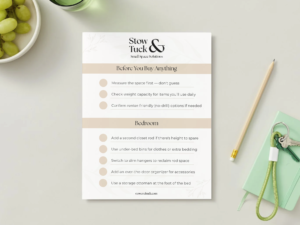
Looking for more renter-friendly solutions? Check out our guide on over-the-door organizers for more no-drill storage options or get our free Small-Space Storage Checklist — a room-by-room guide to make the most of your space below.