When the living room doubles as the playroom — which it does in most small homes without a spare room to dedicate — toy clutter becomes a daily battle. The goal isn’t hiding every toy in a closet; it’s creating a system that keeps the room functional as a living room while still giving kids easy, independent access to their things. Here’s how to strike that balance.
This post may contain affiliate links.
Why This Is Different From a Dedicated Playroom
A real playroom can stay toy-focused all the time. A shared living room can’t — it needs to switch between “kid space” and “adult space” throughout the day, which means toy storage here has two jobs: staying organized during play, and disappearing (or at least blending in) when it’s not playtime.
Bins and Shelving That Blend Into the Room
A toy storage organizer with bins — the kind with a low shelf unit and several removable bins — works well in a shared living room because it can double as a piece of actual furniture rather than looking purely kid-specific, especially in a neutral color. Kids can see and reach their own bins, which encourages independent cleanup, while the unit itself doesn’t scream “playroom” the way a bright plastic toy chest does.
Look for a design with a stable base (some are specifically built with anti-tip safety features) and a height kids can reach without help — a system only works long-term if kids can use it themselves.
Soft Storage for Fast Cleanup
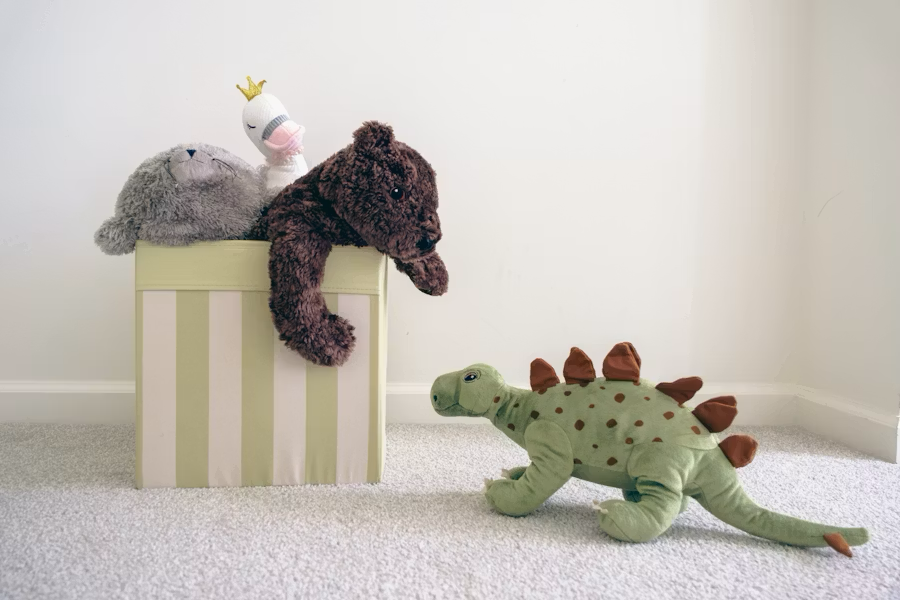
For toys that don’t need a specific spot — stuffed animals, building blocks, loose items — a couple of large fabric storage baskets placed in a corner or under a console table give you a fast, low-effort cleanup option. Collapsible fabric baskets are especially useful in a shared space because they fold flat and tuck away when not needed, unlike a rigid bin that takes up floor space even when empty.
Use What You Already Have
Multi-functional furniture pulls double duty here too — a storage ottoman (see our full ottoman guide) can hide toys inside while still functioning as regular living room seating, which is often a better fit for a small shared space than a dedicated toy chest.
A Simple System That Actually Gets Used
- Sort by category, not just “toys” — blocks, stuffed animals, and art supplies each in their own bin makes cleanup faster and helps kids remember where things go
- Rotate what’s out — keeping only some toys accessible at a time (with the rest stored elsewhere, like a closet) reduces the daily volume of clutter without getting rid of anything
- Set a low-effort end-of-day reset — a quick “everything back in its bin” routine works better long-term than an occasional deep clean, since it prevents the pile from building up in the first place
Frequently Asked Questions
How do I keep a living room from feeling like a playroom all the time? Choosing storage that matches your room’s decor (neutral colors, furniture-style bins rather than bright plastic ones) and having a quick end-of-day reset routine both help the space shift back to feeling like a regular living room once toys are put away.
What’s the best storage option for toys with lots of small pieces, like building blocks? A bin with a lid works better than an open basket for small-piece toys, since it contains pieces more securely and reduces the mess if it gets knocked over.
Should I get rid of toys to make organization easier? Rotating toys (storing some out of sight and swapping periodically) is often more effective than removing them permanently, since it reduces daily clutter volume while keeping everything available over time.
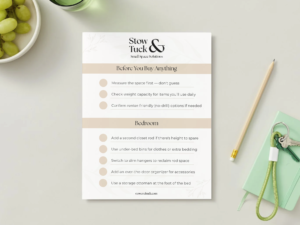
Looking for more small-space furniture ideas? Check out our post on multi-functional furniture for small apartments for more pieces that pull double duty or get our free Small-Space Storage Checklist — a room-by-room guide to make the most of your space below.