Mail is one of the few things that arrives in your home every single day whether you’re ready for it or not, and it has a way of piling up faster than almost anything else near a front door. A stack of unsorted envelopes on a counter isn’t just clutter. It usually means bills going unnoticed and important documents mixed in with junk mail. Here’s how to build a clutter management system that actually keeps up with the daily influx.
This post may contain affiliate links.
Why Mail Piles Up Faster Than Other Clutter
Unlike most entryway items, mail arrives on its own schedule and doesn’t stop coming just because you haven’t dealt with yesterday’s pile. Without a specific spot and a specific routine, it defaults to wherever’s closest: a counter, a table, the floor. The fix isn’t a bigger surface to pile it on. It’s a system that sorts mail the moment it comes through the door.
A Wall-Mounted Sorter Creates an Immediate Landing Spot
A wall-mounted mail organizer, especially one that combines a mail slot with key hooks, gives incoming mail somewhere to go the second you walk in, before it has a chance to land on a counter. Mounting it directly by the door means mail gets sorted as part of the same motion as coming inside, rather than as a separate chore you have to remember later.
Tiered Trays for Sorting by Urgency
Not all mail needs the same attention. A stackable letter tray with multiple tiers lets you separate mail by what it actually needs from you: bills to pay this week, documents to file, and everything else waiting to be opened. This matters more than a single catch-all bin, since a bin just delays the sorting decision instead of making it.
A Simple Weekly Routine Beats a Perfect System
Even the best organizer doesn’t sort mail on its own. A short, consistent routine makes the real difference:
- Open and sort mail the same day it arrives, standing at the sorter rather than carrying it further into the house
- Recycle junk mail immediately, before it has a chance to mix with anything important
- Move bills and time-sensitive items to their tier right away
- Set a specific day each week to clear out the “to file” tier completely
Reducing Mail Volume at the Source
Beyond sorting what arrives, cutting down how much comes in the first place makes the whole system easier to maintain. Opting into paperless billing for accounts that offer it, and using a mail preference service to reduce catalogs and marketing mail, both shrink the daily pile before it ever reaches your sorter.
Frequently Asked Questions
How often should mail actually be sorted? Daily, or as close to it as possible. Mail that sits unsorted for even a few days tends to pile up faster than a quick daily sort would take, and important documents are more likely to get buried the longer a pile sits.
What should I do with mail I’m not ready to deal with yet? Give it a specific tier or folder rather than leaving it loose. A “to file” or “to review” spot in a tiered tray keeps it contained and visible, rather than mixed in with mail you haven’t opened yet.
Is a wall-mounted sorter necessary, or does a tray on a console table work just as well? Either works, and the better choice depends on your entryway’s layout. A wall-mounted option is better when counter space is limited; a tray works well if you already have a console table with room to spare.
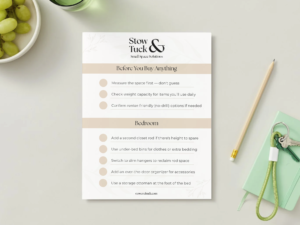
Looking for more entryway solutions? Check out our post on small entryway organization ideas for console tables, key organizers, and more — or get our free Small-Space Storage Checklist — a room-by-room guide to make the most of your space below.