
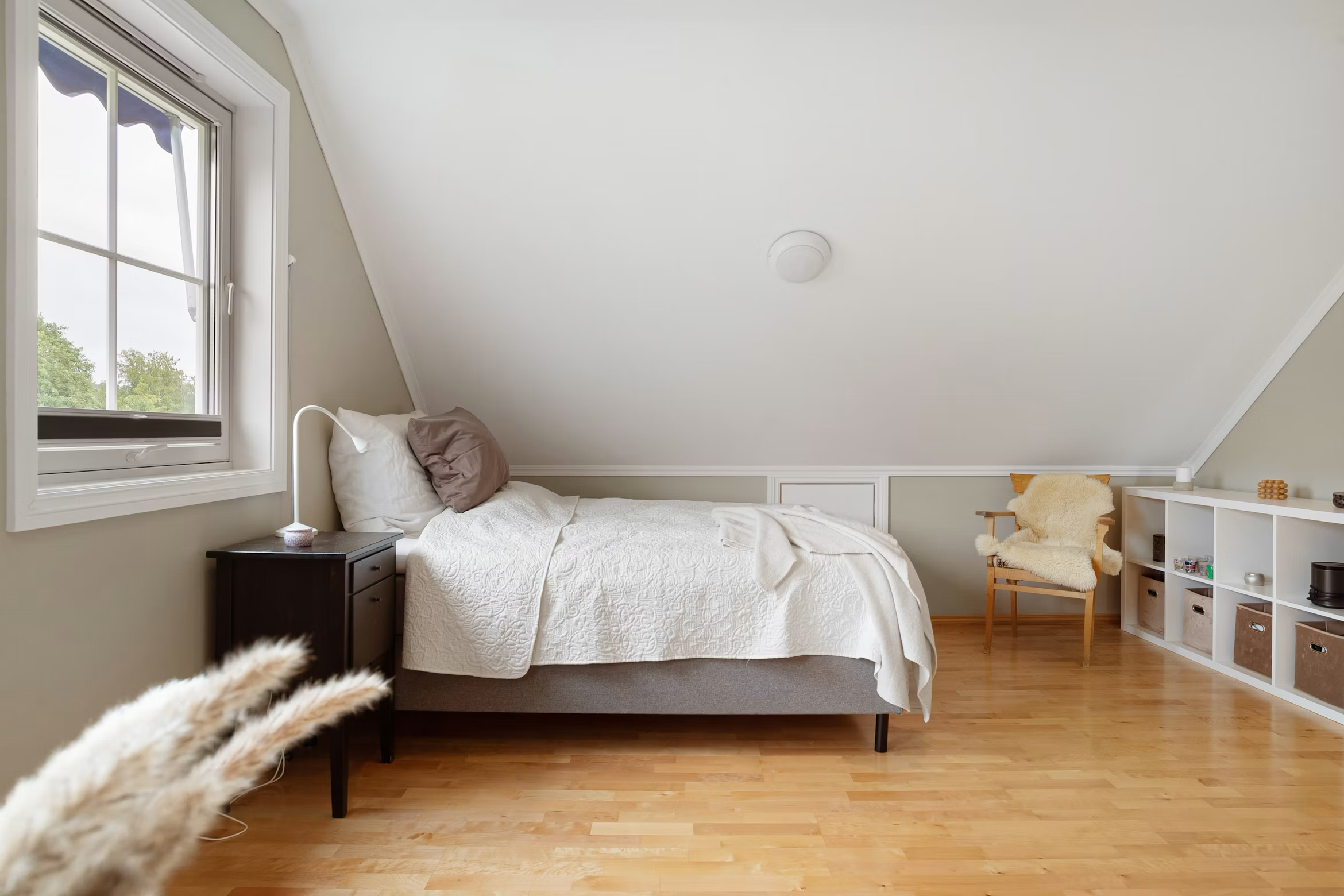
Older buildings, converted units, and studio layouts all share one frustrating trait, a bedroom with little to no closet space. Without a built-in spot to hang clothes, everything tends to end up on a chair, the floor, or wherever it lands after laundry day. The fix isn’t finding a bigger room. It’s building a small, freestanding version of a closet using the floor and wall space you already have.
Here’s how to do that without a single contractor visit.
This post may contain affiliate links.
Build a Freestanding Wardrobe
The most direct replacement for a missing closet is a rack built to act like one, and this is usually the first thing worth buying. A freestanding clothing rack with a hanging rod gives you the same function as a closet rod, minus the walls around it, and most models fold flat for moving day. Pair it with a set of bins or baskets underneath for folded items, and it covers the bulk of what a closet would normally handle.
Mount a Rod Instead of Buying Furniture
If floor space is too tight for a standing rack, the wall is the next best option. Look for a wall-mounted, collapsible clothes rod that hangs flat against the wall when not in use and folds out to hold a full rack of clothes when you need it. It’s a good fit for a bedroom that doubles as a home office or guest space during the day, since it’s designed to be discreet when closed and doesn’t dominate the room the way a permanent rack does.
Reclaim the Space Under the Bed
The floor underneath a bed frame is one of the largest unused storage areas in a bedroom without a closet, but standard bed frames often don’t leave enough clearance for bins to slide in easily. That gap is worth a few extra inches, and a set of adjustable bed risers is the simplest way to get them, turning a tight space into real storage room for off-season clothes, shoes, or spare bedding.
Use the Wall Above Eye Level
Once hanging and under-bed storage are covered, wall space above furniture is the next resource. A shelf mounted above a dresser or desk can hold folded sweaters, shoe boxes, or bins that would otherwise compete for closet space you don’t have. This works especially well paired with clear or labeled bins, since anything on a high shelf needs to be identifiable without pulling it down first.
Treat a Dresser as the Anchor, Not an Afterthought
In a bedroom with no closet, the dresser ends up doing double duty as both drawer storage and de facto closet. Reserve the top drawers for daily items and the bottom for things used less often, and consider a slim dresser over a wide one if the room is tight. A few vertical inches gained on a dresser’s footprint often matters more here than in a bedroom with a full closet to fall back on.
FAQ
Is a freestanding rack sturdy enough for a full wardrobe? Most heavy-duty models are rated to hold well over a hundred pounds, which is enough for a full seasonal wardrobe, but check the listed weight capacity if you’re hanging heavier items like coats.
What’s the fastest fix if I just moved into a closet-less bedroom? Start with a freestanding rack and a set of bins under the bed. Those two solve the two biggest problems, hanging space and general storage, without any wall-mounted installation.
Can I still do this if I’m renting and can’t drill into the walls? Yes. Freestanding racks, bed risers, and even a fold-out wall rod (many mount with minimal hardware) are all renter-friendly options that don’t require permanent changes to the room.
If the rest of the bedroom could use a refresh too, Small Bedroom Furniture Layout Ideas covers how to arrange what you have or get our free Small-Space Storage Checklist — a room-by-room guide to make the most of your space below.