If you’re short on space, the back of a door is one of the most overlooked storage spots in the whole home. It’s flat, unused, and available in nearly every room — bedroom, bathroom, closet, even the pantry. Over-the-door organizers turn that dead space into real, functional storage without taking up a single inch of floor or shelf space. Here’s how to pick the right one for the room you’re working with.
This post may contain affiliate links.
Why Over-the-Door Storage Is a Small-Space Essential
Unlike most storage solutions, over-the-door organizers require zero installation in most cases — they hang directly over a standard door using hooks that rest on top, no drilling or mounting hardware needed. That makes them ideal for renters, and it means you can add real storage capacity in minutes, not hours.
They also solve a specific small-space problem: items that don’t have an obvious home. Cleaning supplies, shoes, accessories, toiletries — things that often end up piled on a counter or floor because there’s no dedicated spot for them.
Types of Over-the-Door Organizers
Pocket organizers — rows of fabric or clear vinyl pockets, ideal for shoes, small toiletries, craft supplies, or accessories. Best when you need to see and grab small items quickly.
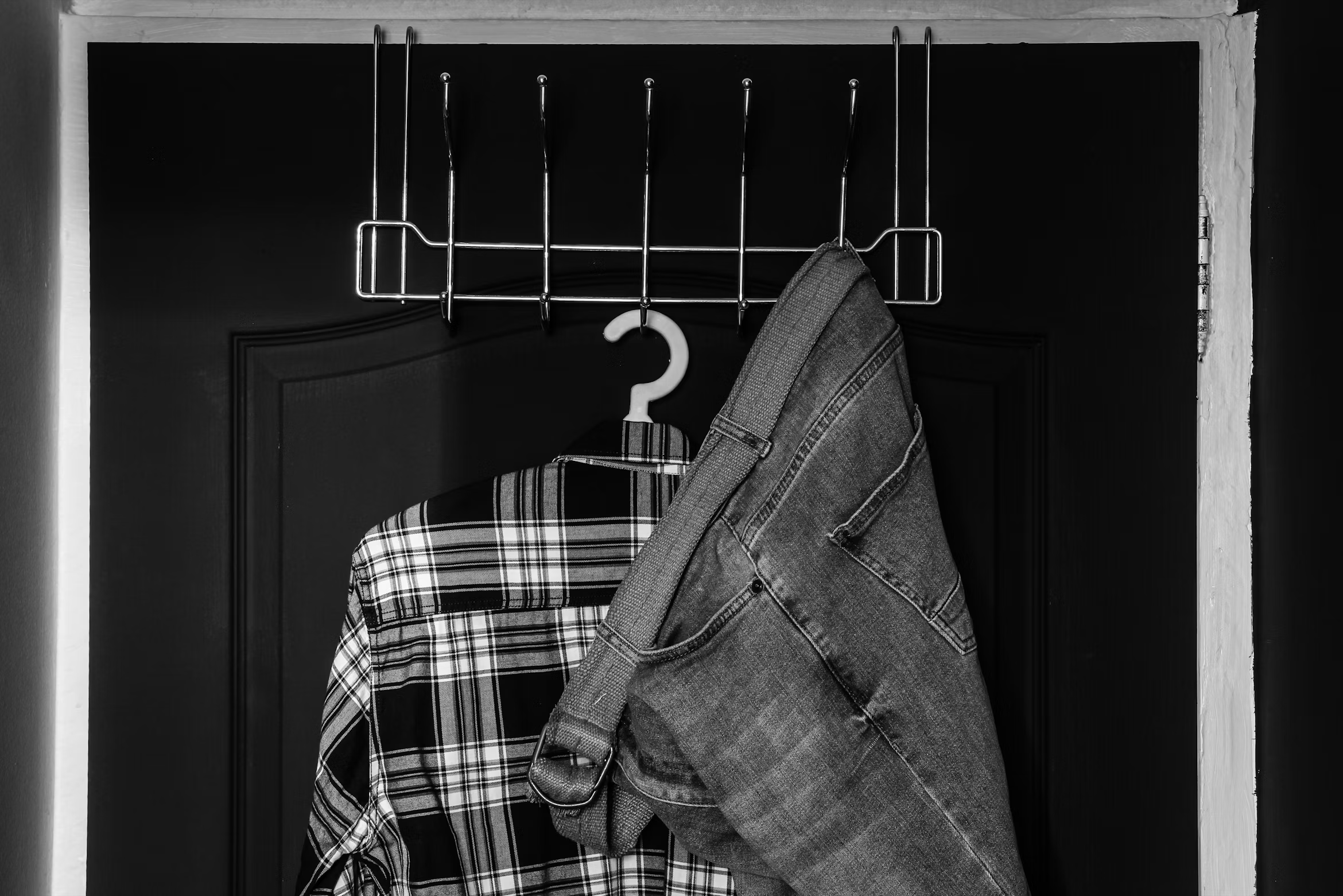
Hook-style organizers — a bar with multiple hooks, best for bags, towels, robes, or anything that hangs naturally. Simple and often the sturdiest option for heavier items.
Basket/bin organizers — small wire or fabric baskets mounted on an over-door frame, good for bulkier items like cleaning supplies or rolled towels that don’t fit well in flat pockets.
Mirror-back organizers — a full-length mirror with hidden storage built into the back, useful in bedrooms where you want function without adding visible clutter to the room.
Best Uses by Room
Bedroom Closet Door
A shoe pocket organizer is the classic choice here, but don’t limit it to shoes — the pockets work just as well for folded scarves, socks, belts, or small accessories that tend to get lost in drawers.
Bathroom Door
Cleaning supplies, extra toiletries, and towels are the biggest bathroom clutter culprits in small spaces. A basket-style organizer handles bulkier bottles better than flat pockets, which tend to sag under heavier items.
Pantry or Kitchen Door
A pocket organizer here is ideal for spice packets, snack bags, or small condiment bottles — items that often get lost in the back of a cabinet.
Kids’ Room Door
Hook-style organizers work well for backpacks, jackets, and bags, while a pocket organizer can corral small toys, art supplies, or books that would otherwise end up on the floor.
What to Check Before You Buy
- Door thickness and type — most organizers are designed for standard interior doors; hollow-core or unusually thick doors can sometimes cause the top hooks to sit awkwardly, so check the product’s compatible door thickness range
- Weight capacity — pocket organizers holding shoes or heavier items need a sturdy frame; cheaper versions can sag or tear over time under real weight
- Clearance behind the door — make sure the organizer won’t hit a nearby wall or piece of furniture when the door swings open
Frequently Asked Questions
Will an over-the-door organizer damage my door or door frame? Most are designed to hang without any hardware, resting entirely on top of the door — no drilling or adhesive required, which makes them safe for rental properties.
What’s the best over-the-door organizer for a renter who can’t drill anything? Any hook-style or pocket-style organizer that hangs over the top of the door works without tools — just confirm the product description says “no installation required” before buying.
Can over-the-door organizers hold heavy items like tools or large bottles? Basket-style organizers with a sturdy metal frame handle weight best; flat fabric pocket organizers are better suited to lighter items like shoes, toiletries, or accessories.
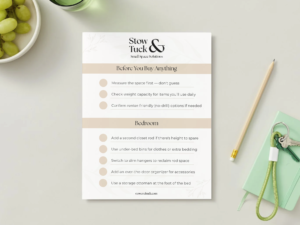
Looking for more small-space wins? Check out our posts on small closet organization and decluttering before your move for more easy storage upgrades or get our free Small-Space Storage Checklist — a room-by-room guide to make the most of your space below.